Users with one approved still frame
If the user has already approved the look of the plush image, this is the lowest-friction way to create motion.
This template is built for the most practical plush video workflow: start with one strong image, then add controlled motion. It is the cleanest path for users who do not want the character identity to drift between frames.
If the user has already approved the look of the plush image, this is the lowest-friction way to create motion.
A small motion clip can add life to a landing page without forcing a full video-heavy experience.
Reference-led plush motion helps maintain consistency across image ads, organic posts, and short clips.
Choose one mode: prompt only, or image + prompt. Add a concise Jellycat style motion brief for better consistency.
Short motion instructions work better than long cinematic prompts.
Best results
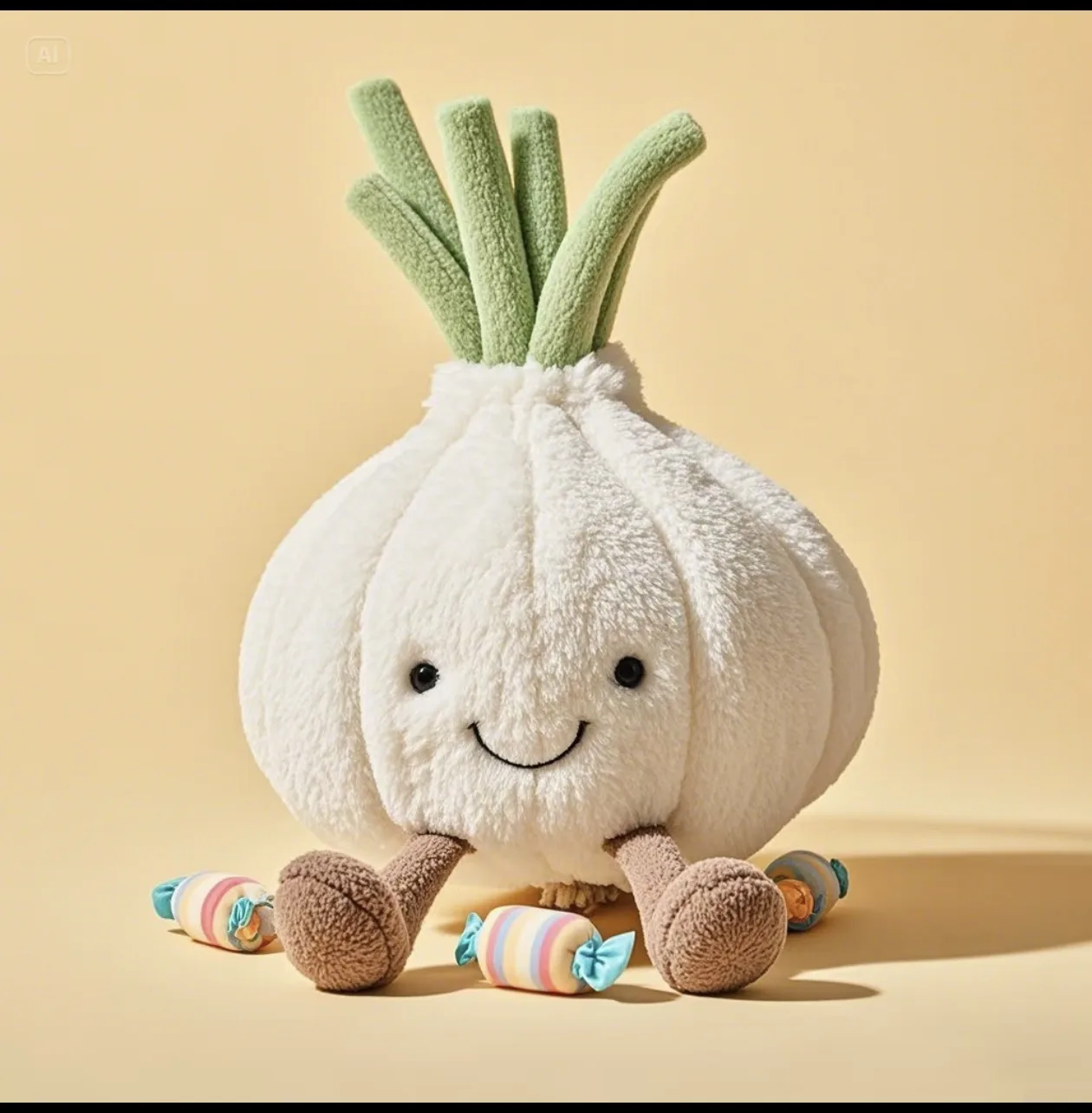
Example Preview
The preview starts with an example image and switches to your generated result.
Your latest video generations will appear here on this device.
Use the image that already won internal review. Avoid asking the video prompt to redesign the character.
Examples: gentle wave, blink, bounce, reveal, or rotation. Avoid stacking many actions into a short clip.
Mention stitched edges, fluffy surface, handmade toy feel, or product-shot lighting so motion does not flatten the material feel.
Because it reduces ambiguity. The model already knows what the subject should look like before motion is introduced.
Trying to redesign the character and animate it at the same time. Separate those steps if you want consistency.
Yes. It is especially useful for product pages, app stores, hero loops, ads, and social creative where a short, clean motion asset matters.